ブログ
/ ブログ / Introduction to SNAC as a Pharmaceutical Excipient
カテゴリー
Introduction to SNAC as a Pharmaceutical Excipient January 27,2026.

What is SNAC?


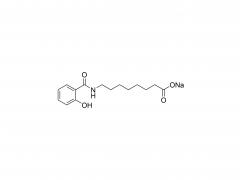
SNAC (Sodium N-[8-(2-hydroxybenzoyl) amino] caprylate) is a synthetically produced pharmaceutical excipient classified as an intestinal permeation enhancer. Its primary function is to improve the absorption efficiency of orally administered drugs, particularly large-molecule peptide drugs, in the gastrointestinal tract.

Its main mechanisms of action are as follows:

Increasing Drug Lipophilicity: SNAC can form complexes with peptide drugs (such as semaglutide) through hydrophobic interactions, enhancing the lipophilicity of the drug molecules and facilitating their passage across the intestinal cell membrane.

Local Protective Regulation: SNAC can temporarily and slightly increase the local pH in the stomach, which helps reduce the degradation of peptide drugs by gastric acid and pepsin, creating a more favorable environment for drug absorption.

Key Application: Oral Semaglutide


The most prominent and successful application of SNAC to date is in combination with semaglutide (a GLP-1 receptor agonist used to treat type 2 diabetes and obesity), where it enables the formulation of the world's first oral GLP-1 medication (brand name: Rybelsus®). Prior to this, such drugs typically required injection.

About SINOPEG's Production of SNAC


Product Registration: The company has completed the registration and filing for SNAC as a pharmaceutical excipient with the Center for Drug Evaluation (CDE) of the National Medical Products Administration (NMPA) in China.

Business Focus: SNAC is listed as one of its products in its publicly available catalog. The company primarily provides relevant biotech raw materials and intermediates for drug research, development, and production.

著作権 © XIAMEN SINOPEG BIOTECH CO., LTD. 全著作権所有.

製品

ニュース

接触